
Violence Prevention Strategies in 2026: Building Safer Communities Starts Now
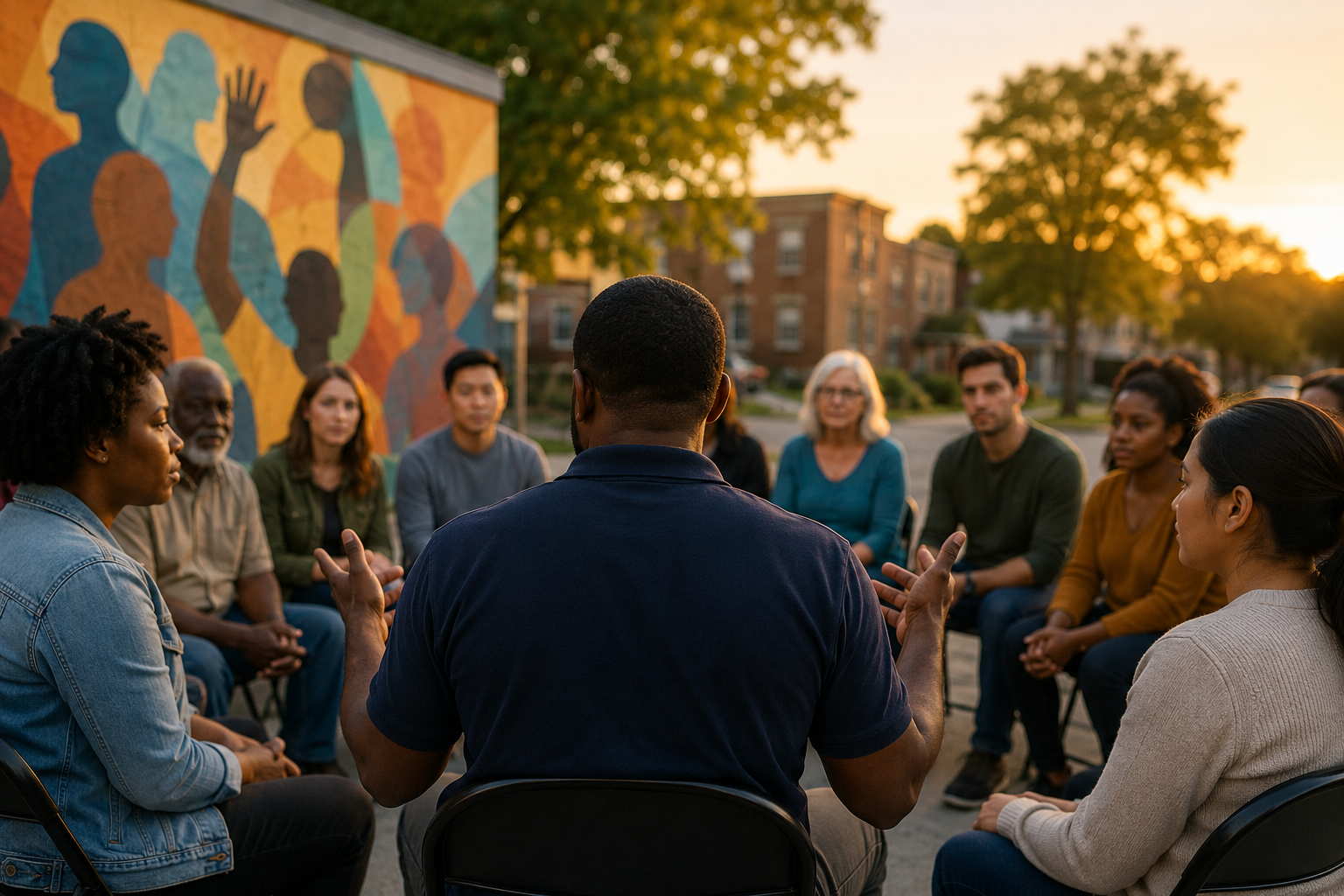
Violence prevention strategies are more important than ever as communities across the country search for long-term solutions to crime, conflict, and instability. While many conversations focus on reacting to violence after it occurs, true change begins with prevention, education, and community involvement.
The James E. Davis Stop Violence Foundation continues to advocate for proactive solutions that strengthen neighborhoods, empower individuals, and create safer environments for families and future generations.
Building safer communities requires more than law enforcement alone. It takes collaboration between residents, community leaders, schools, businesses, nonprofit organizations, and local advocates working together toward a common goal. Violence prevention is most effective when communities invest in people before problems escalate.
Youth Mentorship
One of the most impactful violence prevention strategies is youth mentorship. Young people who have access to positive role models and structured support systems are more likely to develop confidence, emotional intelligence, and leadership skills. Mentorship programs provide guidance that can help youth avoid harmful influences and make positive decisions for their future.
Education and Conflict Resolution
Education also plays a critical role in preventing violence. Conflict resolution training, emotional wellness programs, and leadership development initiatives help individuals learn how to communicate effectively and manage difficult situations peacefully. When people understand how to resolve conflict without aggression, communities become stronger and more stable.
Community Engagement
Community engagement is another essential component of violence prevention. Neighborhood events, workshops, outreach programs, and volunteer initiatives encourage residents to build relationships and strengthen trust. Connected communities are often safer communities because individuals feel responsible for supporting and protecting one another.
Economic Opportunity
Economic opportunity is equally important. A lack of resources and opportunity can contribute to frustration, hopelessness, and instability. Job training programs, entrepreneurship initiatives, and career development opportunities provide individuals with positive pathways forward and reduce the likelihood of involvement in violence.
Mental Health Awareness
Mental health awareness must also remain part of the conversation. Many individuals silently struggle with trauma, stress, and emotional challenges. Access to support services and safe spaces for communication can help address these issues before they develop into larger problems.
Consistent, Community-Driven Action
Violence prevention strategies work best when they are consistent and community-driven. There is no single solution, but collective effort creates lasting impact. Small actions—mentoring a young person, volunteering locally, supporting community organizations, or simply checking in on neighbors—can contribute to meaningful change.
As we begin 2026, this is the time to move beyond awareness and into action. Safer communities are built intentionally through education, opportunity, accountability, and unity. Every person has a role to play in creating neighborhoods where peace, respect, and opportunity can thrive.
The future of our communities depends on what we choose to invest in today.