
How Unity and Community Support Help Prevent Violence
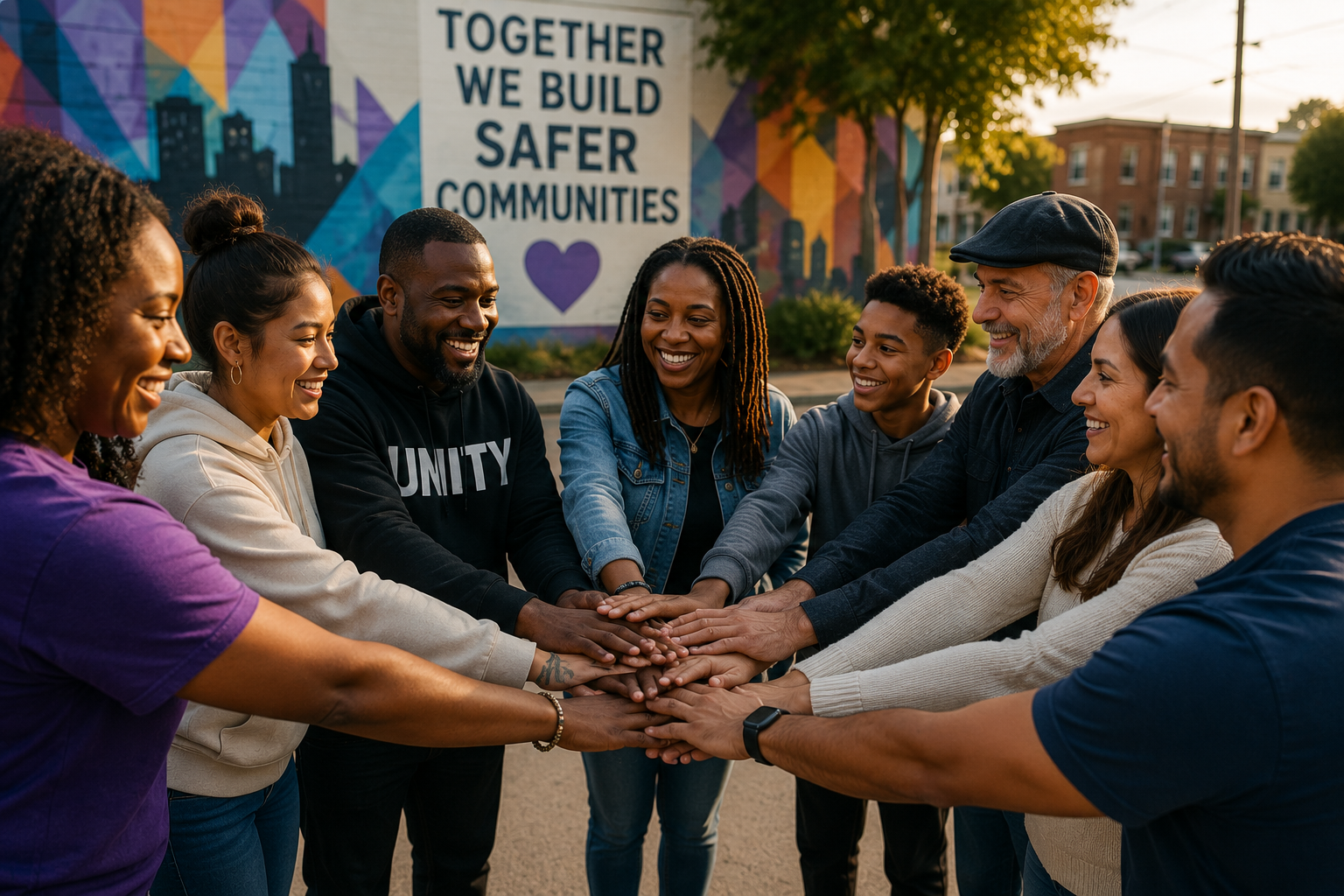
Preventing violence in communities begins with something many people overlook—connection. While policies and enforcement play a role, long-term change happens when individuals feel seen, supported, and valued within their environment. That sense of belonging reduces conflict, builds accountability, and creates a foundation for peace.
At the James E. Davis Stop Violence Foundation, the approach to violence prevention has always emphasized unity, communication, and shared responsibility. These are not abstract ideals; they are practical tools that help communities interrupt cycles of violence before they escalate.
Violence often stems from disconnection. When individuals feel isolated, unheard, or unsupported, frustration can build in ways that lead to harmful decisions. This is why strong communities matter. A connected neighborhood creates informal support systems—neighbors checking in on one another, mentors guiding youth, and leaders who remain accessible and engaged.
Unity also fosters accountability. When people feel connected to their community, they are more likely to take responsibility for their actions and the well-being of others. This shared responsibility reduces the likelihood of conflict escalating into violence.
Community-based programs play a critical role in reinforcing these values. Mentorship initiatives, peer support groups, and open community discussions provide safe spaces for individuals to express themselves and address challenges constructively. These programs help normalize communication and reduce the stigma around asking for help.
Another important element is early intervention. When communities are engaged and connected, warning signs are easier to recognize. Whether it's a young person struggling emotionally or tensions rising between individuals, early action can prevent larger issues from developing.
Preventing violence in communities is not a one-time effort—it is a continuous process. It requires individuals to show up, stay involved, and actively contribute to a culture of respect and understanding.
Unity is not just a concept. It is a strategy. And when communities commit to it, the results are measurable—stronger relationships, safer environments, and a future where violence becomes less common and less accepted.