
Peace Begins in Our Communities: Teaching Conflict Resolution
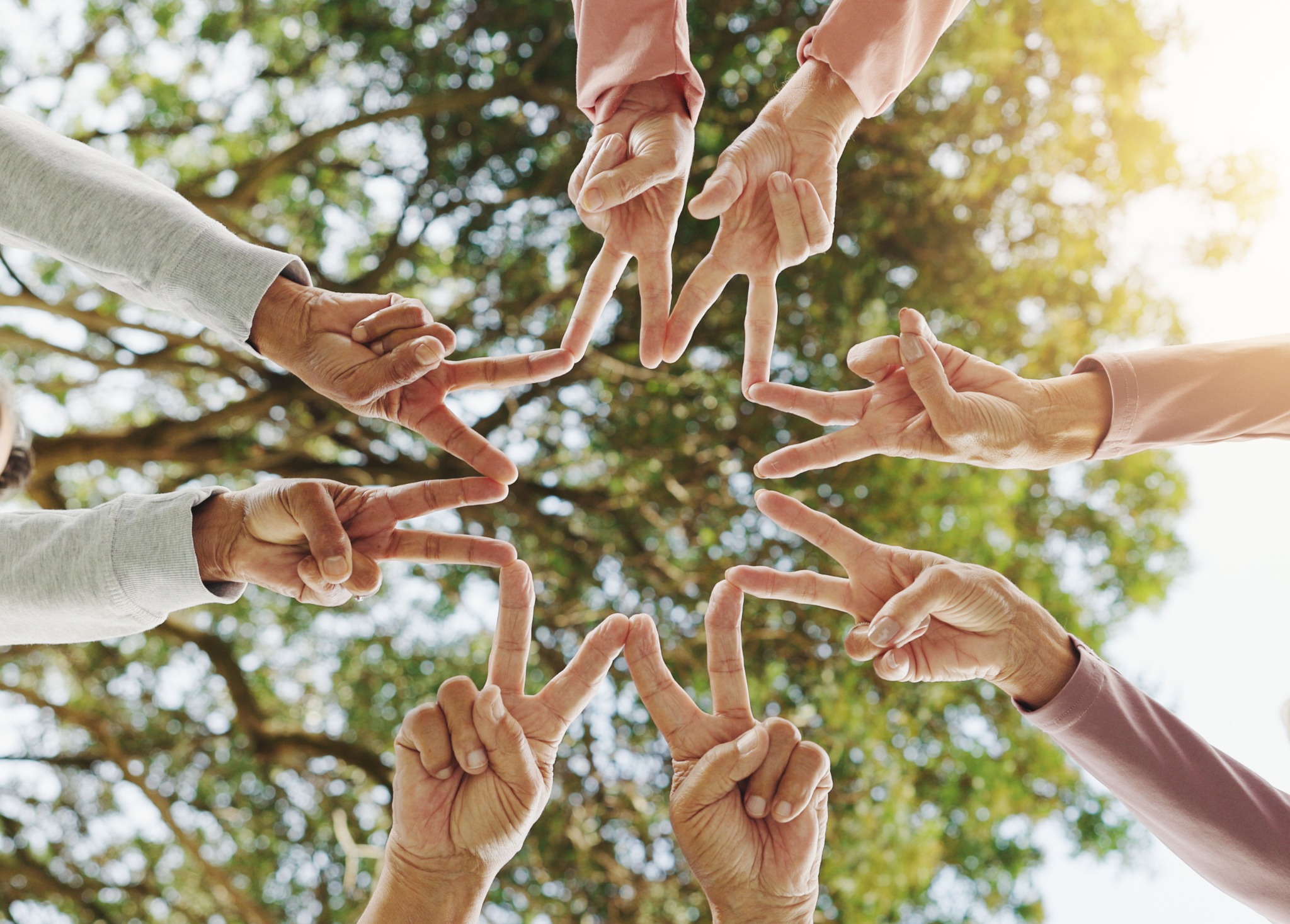
September 2026 | International Day of Peace — September 21
Peace is often spoken of as something nations must achieve, governments must negotiate, or world leaders must protect. Yet some of the most important opportunities to build peace happen much closer to home—in our families, schools, neighborhoods, and everyday relationships.
A disagreement between neighbors. An argument between classmates. A misunderstanding between friends. A confrontation that begins with angry words and ends in tragedy.
What if more of these situations could be resolved before they escalated?
As the world observes the International Day of Peace on September 21, the James E. Davis Foundation encourages communities to recognize a powerful truth: Peace is not simply the absence of violence. It is a skill, a responsibility, and a commitment that must be practiced every day.
When Disagreements Become Dangerous
Conflict is a natural part of human relationships. People disagree about money, relationships, property, respect, and countless other issues.
The problem is not necessarily the disagreement itself, but how people respond.
In communities where violence has become too familiar, even minor confrontations can have devastating consequences. An insult exchanged on social media can lead to a physical altercation. A neighborhood dispute can escalate when anger, pride, or fear takes control.
Too often, walking away is mistaken for weakness, while retaliation is viewed as a demonstration of strength.
Changing that perception is essential.
True strength can mean knowing when to disengage, listening before reacting, and recognizing that winning an argument is never worth losing a life.
Teaching Peace Starts Early
Children are not born knowing how to resolve every disagreement. They learn by observing the adults around them.
When children witness shouting, threats, intimidation, or violence as common responses to frustration, those behaviors may become normalized.
But when parents, teachers, mentors, and community leaders model patience, respectful communication, and problem-solving, young people have opportunities to develop healthier responses.
Conflict-resolution education can teach children and teenagers how to identify emotions, communicate their needs, manage anger, and seek assistance when situations become unsafe.
Schools can reinforce these lessons through age-appropriate social-emotional learning, peer mediation, and restorative practices.
Families can help by encouraging open conversations and teaching children that disagreement does not have to mean disrespect.
The goal is not to eliminate conflict. It is to prevent conflict from becoming violence.
The Role of Community Leaders
Building peaceful neighborhoods requires more than individual effort.
Faith-based organizations, community centers, schools, businesses, and nonprofit organizations can help create environments where disagreements are addressed constructively.
Community conversations can bring residents together to discuss neighborhood concerns before tensions deepen. Mentorship programs can connect young people with positive role models. Trained mediators can help individuals navigate certain disputes without confrontation.
Local leaders can also promote cooperation between residents, public institutions, and organizations working to improve neighborhood safety.
These efforts are especially important in communities affected by longstanding economic hardship, trauma, and distrust.
Peace cannot flourish where people feel unheard, unsafe, or excluded.
The Legacy of James E. Davis
The late New York City Councilman James E. Davis understood the destructive consequences of violence.
Through his Love Yourself, Stop the Violence movement, he challenged individuals to recognize their value, respect others, and reject violence as a response to conflict.
His message was rooted in the belief that community transformation begins with personal responsibility and collective action.
Today, the James E. Davis Foundation continues to honor that vision by advocating violence prevention, youth empowerment, and stronger communities.
His legacy reminds us that peace is not achieved through slogans alone. It requires education, engagement, and the willingness to challenge harmful attitudes.
Making Peace a Daily Practice
The International Day of Peace, established by the United Nations, invites people around the world to strengthen the ideals of peace through education, cooperation, and nonviolence.
But its message should extend beyond September 21.
Peace can begin when a parent chooses conversation over confrontation, a teenager refuses to participate in bullying, or a neighbor decides to resolve a dispute respectfully.
It can grow when community members support programs that offer young people opportunities, guidance, and hope.
Every peaceful choice matters.
We may not be able to resolve every conflict in the world, but we can influence how conflicts are handled in our homes, on our streets, and throughout our communities.
And that is where lasting peace begins.
Support the Mission. Help Build a Future Without Violence.
Your generosity helps the James E. Davis Foundation continue its commitment to violence prevention, youth empowerment, and stronger communities.
Together, we can encourage peaceful conflict resolution, empower young people, and help build neighborhoods where understanding replaces hostility and hope replaces fear.
Support the James E. Davis Foundation — Donate Today